





Uninterrupted Calls and Data on the Move

Stay Connected: How Aviz Service Nodes Revolutionize Telecom Handovers
Aviz Service Nodes (ASN) improve network visibility using commodity servers, delivering substantial cost savings and optimal performance. ASN enhances network analytics by extracting and correlating metadata, providing critical subscriber intelligence across 4G-LTE, 5G-NSA, and 5G-SA networks. Subscribers on a telecommunications network may encounter a variety of scenarios, influenced by their usage patterns, the network’s configuration, and various external factors. Some common scenarios include call setup and termination, data session management, roaming, handover, service activation and deactivation, network congestion, and location-based services, among others.
ASN is equipped to manage the correlation between a user’s control and data planes on any telecom behavior. In this context, we will specifically focus on discussing the handover process.
What is Handover in Telecom?
Handover, or handoff, in a telecom network is the process of transferring an ongoing call or data session from one cell tower to another as a user moves through different areas of the network. This ensures that the connection remains uninterrupted, even when the user is in motion. The key elements of handover in a telecommunications network include:
- Handover Types: There are various types of handovers, including:
- Intra-Cell Handover: Occurs within the same cell but between different frequencies or sectors.
- Inter-Cell Handover: Involves transitioning between different cells.
- Intra-RAT Handover: Within the same Radio Access Technology (RAT), such as from one 4G LTE/5G SA cell to another.
- Inter-RAT Handover: Between different RATs, such as from 4G LTE to 5G NR.
- Inter-Components Handover: Inter-components handover involves transferring control between various network elements, such as base stations (e.g., eNodeB in 4G or gNodeB in 5G), mobility management entities (MMEs), session management functions (SMFs), and user plane functions (UPFs).
- Inter-Operator Handover: Occurs between networks of different operators, often seen during roaming.
- Seamless Connection: The primary goal of a handover is to ensure that the user experiences a seamless and uninterrupted connection, whether it’s a voice call, video call, or data session.
- Mobility Management: Efficient mobility management is essential for determining the best target cell for handover, taking into account the user’s speed, direction, and network conditions.
- Quality of Service (QoS): The handover process must maintain the required quality of service, ensuring that the user’s experience remains consistent without drops in connection quality.
- Timing and Synchronization: Timing is critical in handover processes. The handover must be completed within a specific time frame to avoid call drops or data session interruptions.
- Handover Decision Algorithms: These algorithms determine when and where the handover should occur, based on factors like signal strength, user location, network load, and interference levels.
- Load Balancing: Handovers can help balance network load by transferring connections from heavily congested cells to less congested ones, improving overall network efficiency.
- Soft vs. Hard Handover:
- Soft Handover: The device connects to the new cell before disconnecting from the current one, providing a smoother transition.
- Hard Handover: The device disconnects from the current cell before connecting to the new one, which may cause a brief interruption.
- Security and Authentication: During handover, the user’s identity and connection must be authenticated by the new cell or network node, ensuring security is maintained.
- Network Compatibility: The handover process must account for the compatibility of different network technologies, such as 4G, 5G, or even older technologies like 3G, to ensure smooth transitions.
These elements are critical for ensuring that handovers occur smoothly, maintaining the continuity and quality of the user experience as they move through different areas of the network.
ASN’s proficiency in managing handover scenarios:
The Aviz Service Node expertly handles the seamless extraction and correlation of control and user packets during the handover process. It is equipped to manage all types of handovers across both 5G and 5G-NSA environments, ensuring smooth transitions and continuity of service. Couple of example as explained below
Inter gNodeB Handover:
Description: The handover occurs between different gNodeBs (5G base stations).
Use Case: This is used when a user moves from the coverage area of one base station to another, typically over larger geographic areas or between different network operators’ cells.
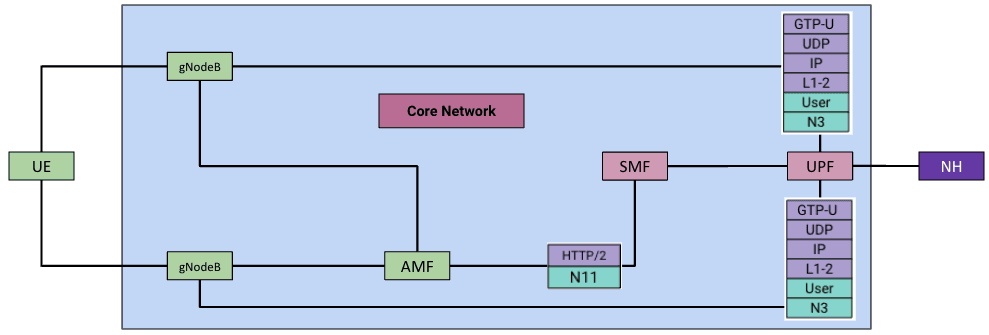
Figure-1: Diagram representing Handover between gNodeB in the Core network
ASN correlation before Handover:
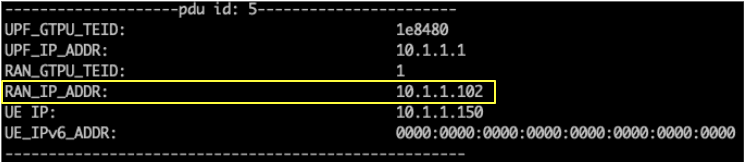
Figure-2: ASN identified the initial gNodeB IP of the particular subscriber
ASN correlation after Handover:
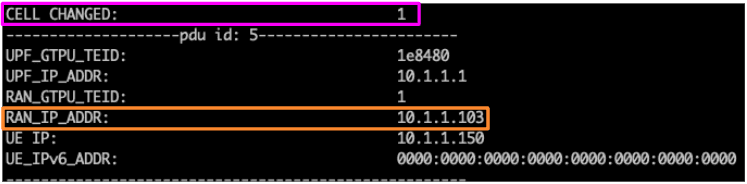
Figure-3: ASN showing the new IP of gNodeB after the handover is completed
Inter Components Handover:
Consider an example of an inter-MME handover in a 5G-NSA environment, accompanied by SGW relocation.
Description: This handover refers to the process of transferring an ongoing session from one Mobility Management Entity (MME) to another while also relocating the Serving Gateway (SGW) within a 4G LTE network
Use Case: A user is traveling from one city to another within a large metropolitan area, crossing the coverage boundaries of different network regions managed by separate MMEs and SGWs.
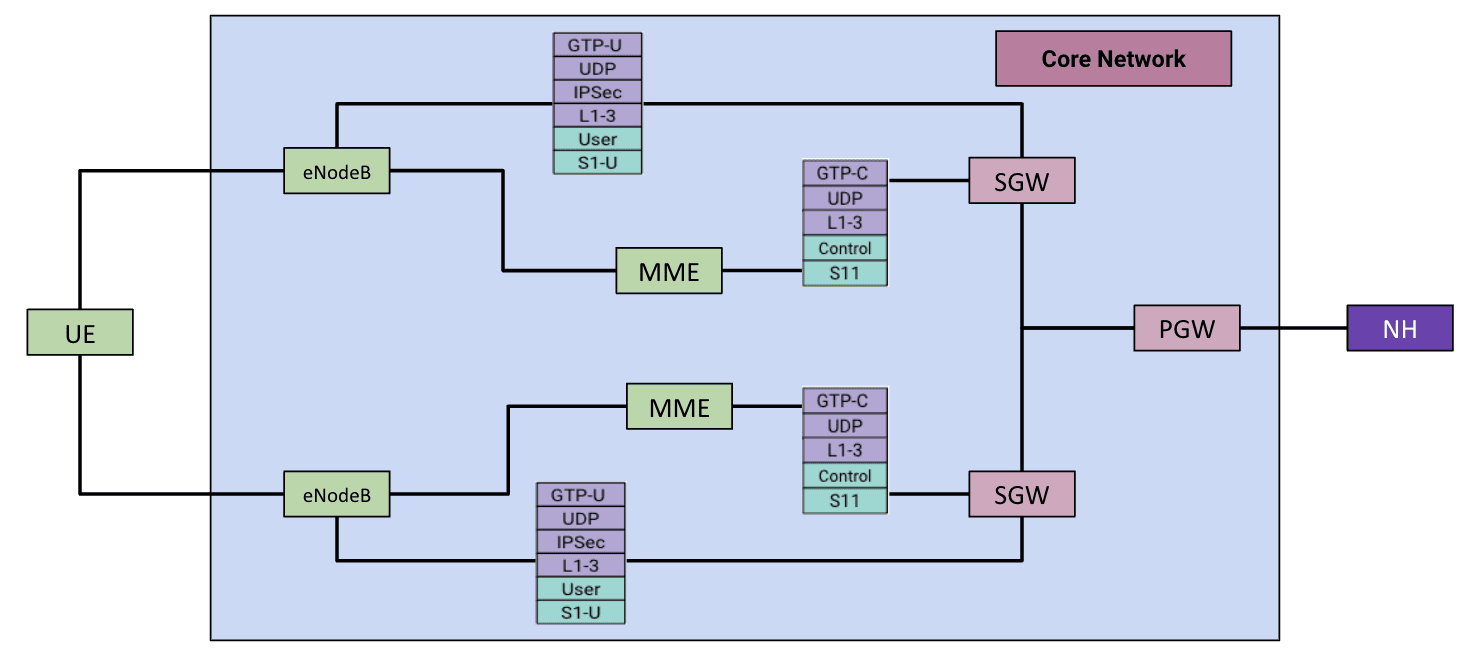
Figure-4: Representation of MME Handover in the NSA network along with SGW relocation
ASN correlation before Handover:
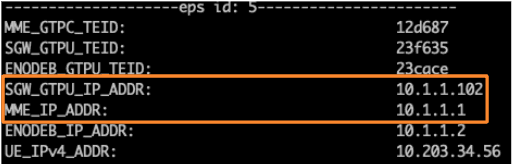
Figure-5: ASN captured the existing SGW and MME details of the subscriber
ASN correlation after Handover:
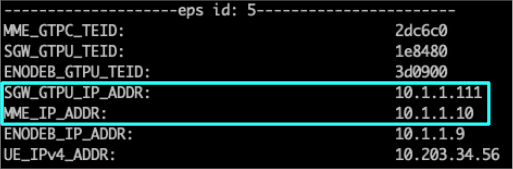
Figure-6: New SGW and MME IP’s are learnt by the ASN after Handover
Conclusion
In summary, Aviz Service Nodes (ASN) greatly improve network visibility and performance by utilizing commodity servers, delivering both cost savings and sophisticated analytics. ASN excels in extracting and correlating metadata to provide crucial subscriber insights across various network generations, including 4G-LTE, 5G-NSA, and 5G-SA. Its ability to manage the correlation of control and data planes ensures smooth operation across a wide range of network scenarios.
Explore ASN’s Revolutionary Impact on Telecom Networks. Call us today!!!
Author:
Rajasekaran S & Harrish J S
Member Technical Staff
Aviz Networks