





ONES 4.1: AI Network Orchestration and Visibility for Modern Enterprises
 January 21, 2026
 ONES & SONiC
Summary
ONES 4.1 marked a major milestone in the evolution of the Open Networking Enterprise Suite by strengthening AI focused network orchestration, visibility, and operations. The release unified GPU, front end, and storage fabrics while improving telemetry, monitoring, and user experience. ONES 4.1 delivered deeper intelligence, higher efficiency, and stronger operational control for modern AI networks.
Introduction
ONES 4.1 was introduced as a significant advancement in the Open Networking Enterprise Suite, reinforcing the vision of Networks for AI and AI for Networks. The release elevated network fabric design, management, configuration, and operations across AI driven environments.
With NVIDIA SpectrumX and SONiC hybrid fabric orchestration, ONES 4.1 integrated GPU networks, front end fabrics, and storage networks into a single operational framework. Beyond an incremental update, ONES 4.1 represented a transformational step forward in intelligence, efficiency, and performance for enterprise network operations.
SpectrumX Orchestration Across AI, Front End, and Storage Networks
ONES 4.1 extended intelligent orchestration across the full AI networking stack, delivering unified control for front end, GPU, and storage fabrics.
Key capabilities included
- Secure and scalable multi tenancy for front-end North-South networks using SpectrumX Cumulus orchestration
- Simplified lifecycle management with clean isolation across tenants
- Hybrid AI fabric orchestration combining Cumulus for East-West GPU traffic and SONiC for Front End North-South connectivity under a multi-tenant control plane
- IPCLOS-based storage network orchestration optimized for GPU North-South traffic
- Predictable performance, efficient scaling, and end-to-end visibility across AI, front-end, and storage domains
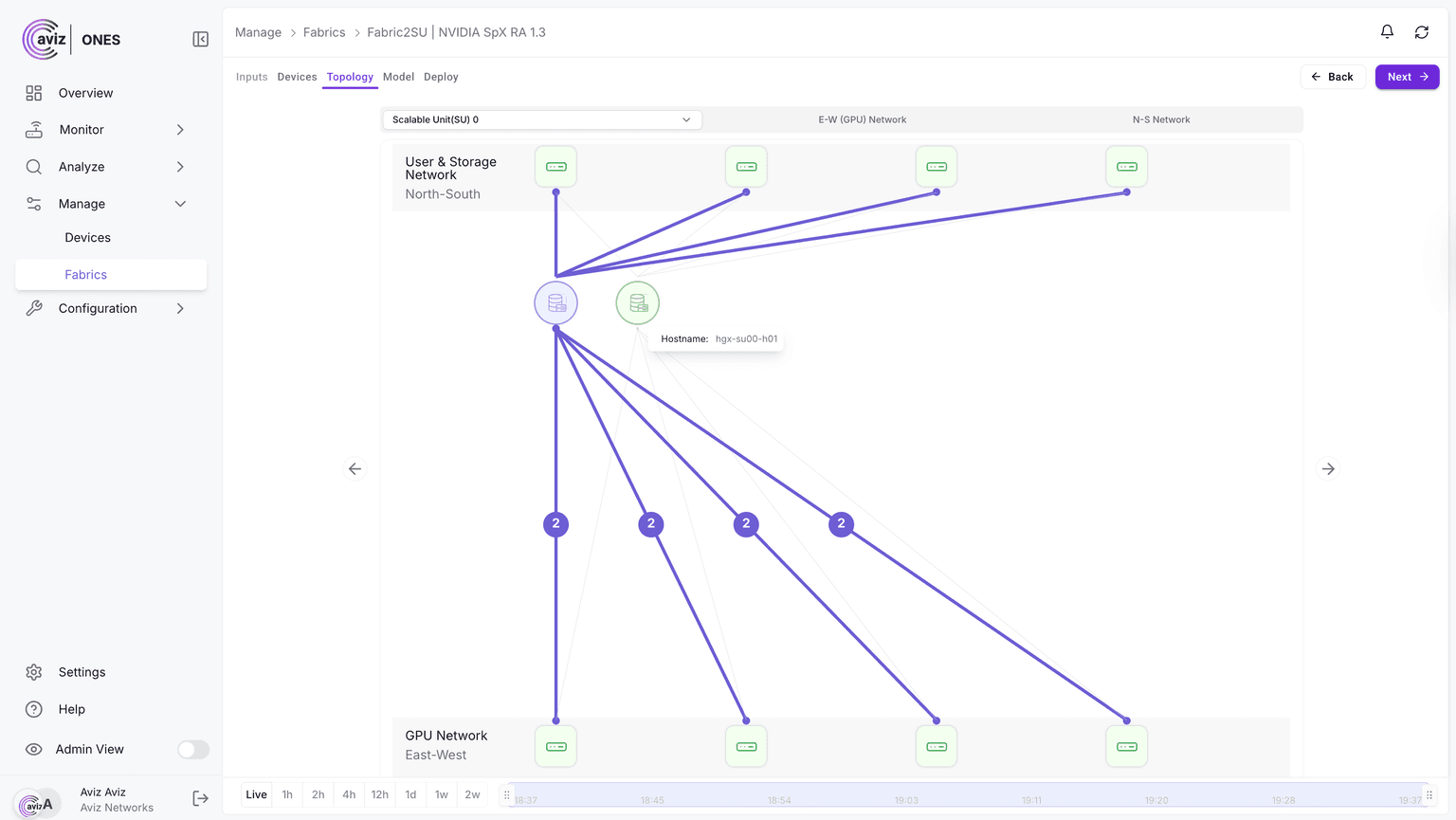
Figure 1: Nvidia Spectrum-X RA 1.3 orchestration using ONES
Personalized Telemetry Streaming for Smarter Network Visibility
ONES 4.1 introduced user-customized data streaming, allowing operators to tailor telemetry collection to specific monitoring requirements.
What this enabled
- Selective streaming of platform health metrics
- Feature-level telemetry based on operational priorities
- Traffic level data collection with reduced noise
- Optimized resource utilization without compromising observability
- Faster insights and more accurate troubleshooting through aligned telemetry
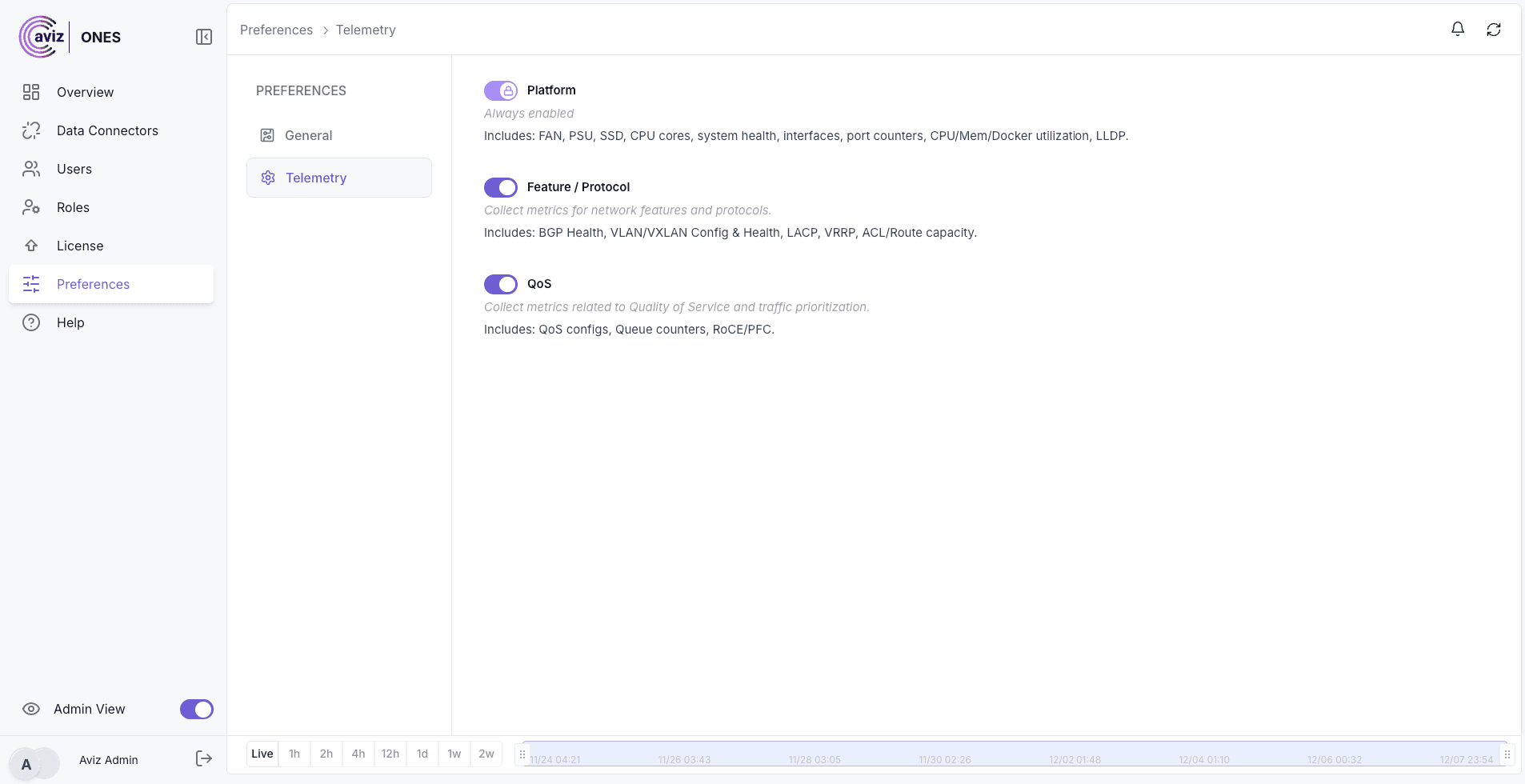
Figure 2: User-Customized Data Streaming using ONES
ONES Controller Resource Monitoring
ONES 4.1 brought built-in controller resource monitoring to improve platform stability and operational awareness.
Visibility provided
- Real-time CPU utilization monitoring
- Memory usage tracking
- I/O utilization insights
- Proactive capacity planning support
- Faster troubleshooting and improved controller stability
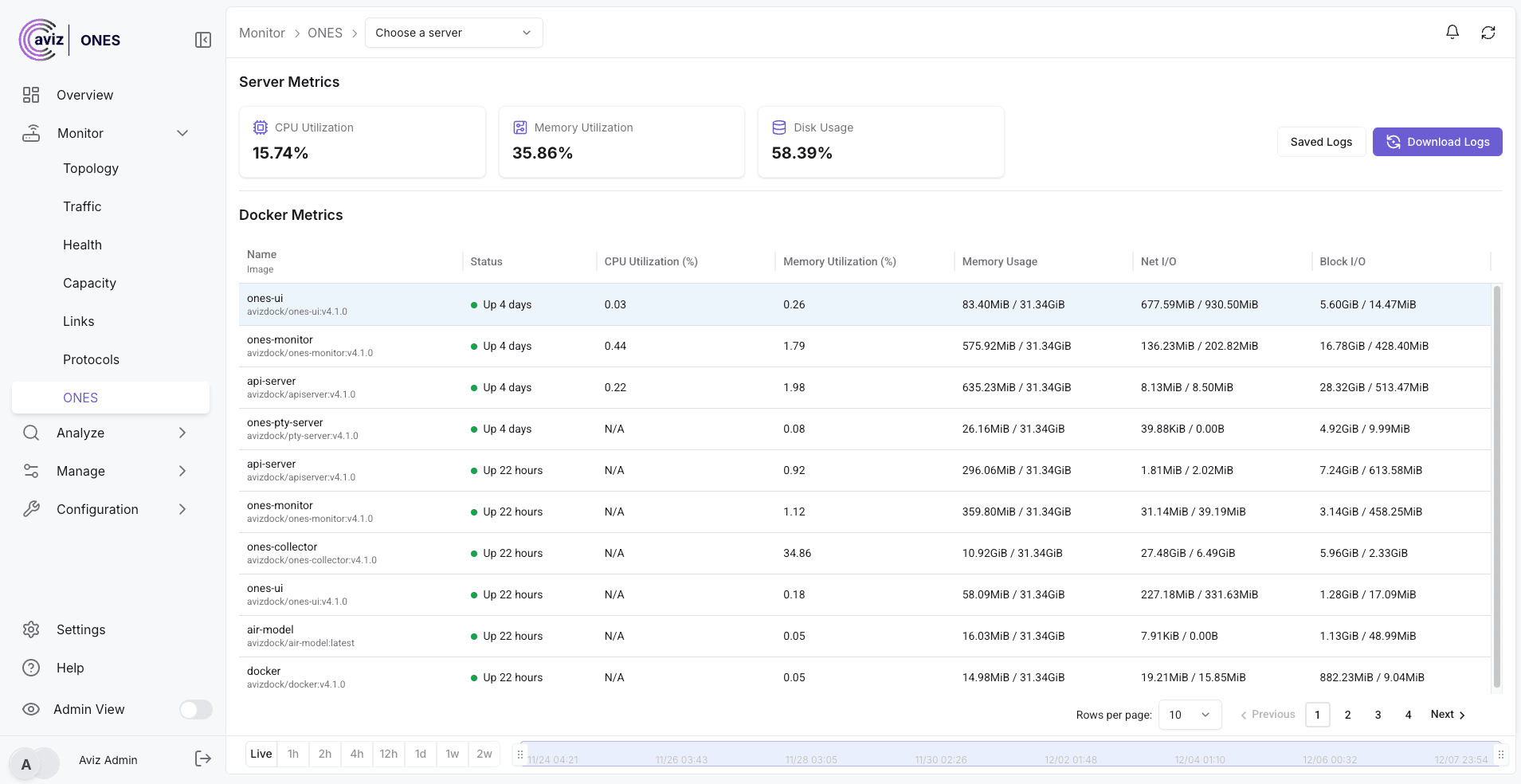
Figure 3: Controller Resource Monitoring using ONES
Rule Engine Driven SONiC Container Process Monitoring and Alerting
ONES 4.1 enhanced SONiC container process health monitoring to deliver deeper visibility into critical services running inside Docker containers.
Operational benefits
- Proactive detection of container process failures
- Improved fault isolation using rule engine logic
- Continuous container-level health monitoring
- Increased overall platform stability
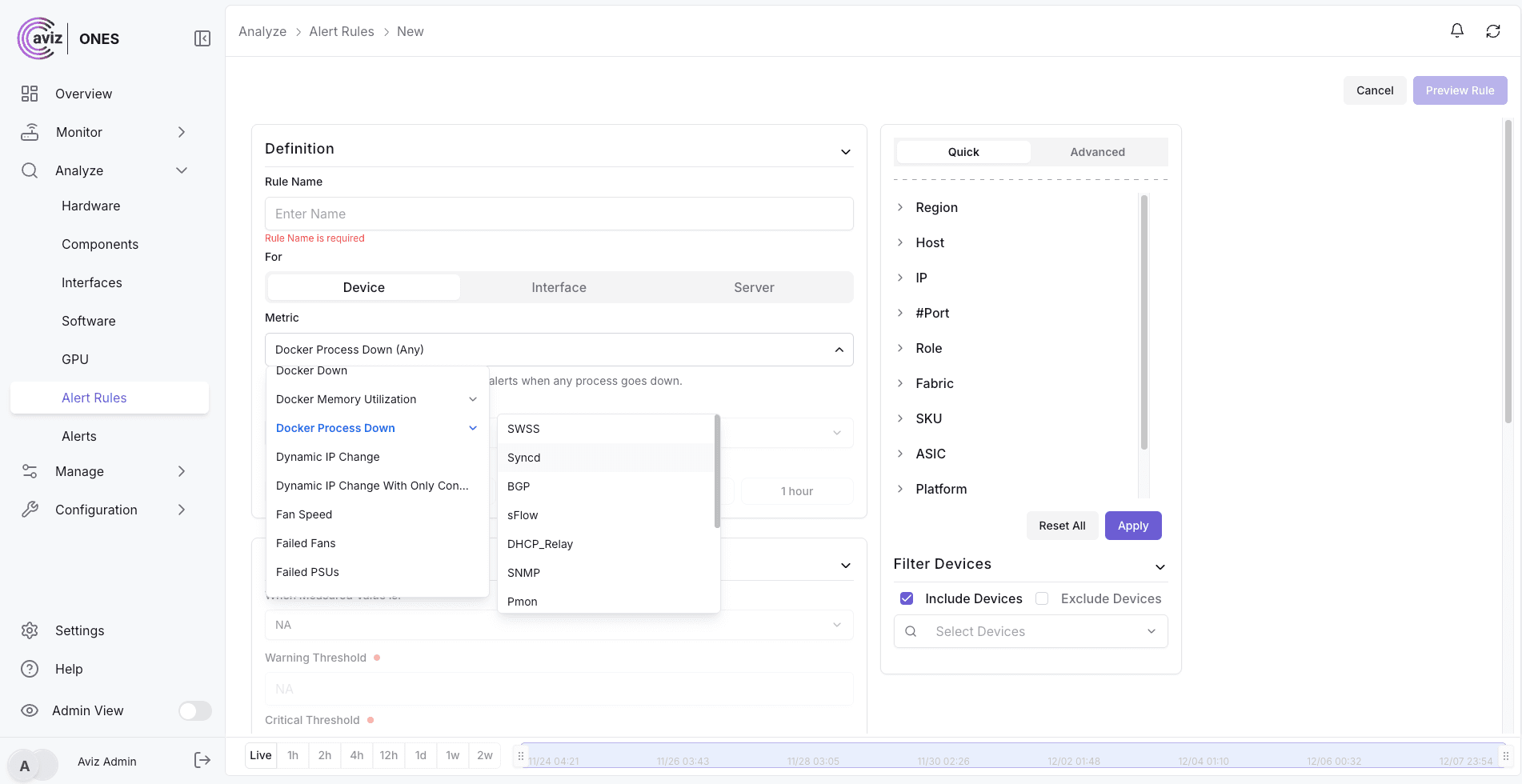
Figure 4: SONiC Container Process rule engine alert
Redefined User Experience Across the Network Fabric
ONES 4.1 introduced a redesigned user experience with a modern interface and enhanced functionality across core workflows.
UX enhancements included
- Improved usability and consistency across ONES pages
- Enhanced visibility across topology, traffic, health, capacity, link, and device views
- Traffic comparison across switches for faster analysis
- Unified filter framework for consistent filtering and search behavior
- Historical data streaming through the ONES Agent
- Clear visibility of interface membership within port channels for accurate troubleshooting
Conclusion
ONES 4.1 delivered a next-generation set of orchestration, visibility, and operational capabilities supported by an enhanced user experience. By unifying AI, front-end, and storage networks with deep telemetry, intelligent monitoring, and streamlined workflows, ONES 4.1 redefined how modern AI networks were managed and operated.
Frequently Asked Questions
What makes ONES 4.1 different from earlier releases?
Earlier releases handled GPU networks, front-end fabrics, and storage networks as separate things. ONES 4.1 pulls all three into one operational framework. That is the shift the team calls transformational. Not a feature list update but a change in how the whole AI networking stack gets managed together.
How does ONES 4.1 orchestrate GPU, front-end, and storage networks at the same time?
SpectrumX Cumulus handles front-end North-South networks with multi-tenancy and tenant isolation. Cumulus takes East-West GPU traffic and SONiC covers Front-End North-South connectivity, both sitting under one multi-tenant control plane. Storage uses IPCLOS-based orchestration built for GPU North-South traffic. Three networks, one framework, no separate management silos.
What changed about telemetry collection in ONES 4.1?
Operators now pick what gets streamed rather than pulling everything from every device all at once. Platform health, feature-level data, and traffic metrics each get switched on or off based on what the team actually needs. The noise drops, insights come faster, and resources stop getting wasted collecting data nobody looks at.
What does the built-in controller resource monitoring actually show teams?
CPU utilisation, memory usage, and I/O on the ONES controller itself show up in real time. Teams spot capacity issues before they affect the network rather than after things slow down. When something does break, the controller's own health data is right there in the same platform so troubleshooting starts faster.
How does the rule engine change how SONiC container process failures get caught?
Container process failures inside Docker used to show up after they already caused a service problem. The rule engine in ONES 4.1 catches them early and pinpoints exactly which container broke. No broad investigation needed. Teams know the specific service that failed and can act on it before users feel the impact.
What day-to-day improvements came with the redesigned ONES 4.1 interface?
Topology, traffic, health, capacity, link, and device views all got upgraded. Traffic comparison across switches is now built in so analysis takes minutes instead of manual correlation. One unified filter framework works consistently everywhere and interface membership inside port channels shows up clearly so troubleshooting does not turn into a guessing game.
Why does managing GPU, front-end, and storage networks separately cause problems in AI environments?
A training job does not stay in one network. It touches GPU interconnects, pulls from storage, and moves through front-end networks all at once. Separate tools for each mean correlating data from three places every time something goes wrong. One framework puts the full picture in one place and cuts that correlation time down to nothing
How does historical data streaming through the ONES Agent help with troubleshooting and planning?
Real-time data shows what is happening now. Historical data shows the pattern before the problem appeared. Both in the same platform means teams compare current behaviour against what was normal rather than digging through archived logs in a separate system. Root cause analysis gets faster and capacity planning gets more accurate because the context is already there.
Explore how ONES 4.1 can simplify operations and support AI ready networking by connecting with Aviz Networks.


